




Mezcal vs Tequila — Origins, Production and Flavor Notes for the Discerning Palate
Both mezcal and tequila begin with agave, yet the choice of agave variety, the way the piñas are cooked, and the region they come from shape each spirit’s character. This guide walks you through the botanical link between these agave spirits, why blue Weber agave defines tequila, and how pit-roasting creates mezcal’s signature smoke. You’ll find a clear classification of agave spirits, a side-by-side look at production and aging, practical tasting and cocktail suggestions, and pairing ideas that work particularly well with luxurious, savory ingredients. Throughout we reference how these spirits pair with fine dining—perfect for guests who want to explore agave beyond the bar—and we note Kaviar Restaurant’s curated beverage program for those seeking an elevated tasting.
What Is the Agave Connection Between Mezcal and Tequila?
Both mezcal and tequila are distilled from the cooked hearts—or piñas—of agave plants. Cooking converts inulin into fermentable sugars, fermentation turns those sugars into alcohol, and distillation concentrates the aromas and flavors. That shared production chain places both spirits under the umbrella of “agave spirits,” while differences in agave species and processing create distinct traditions. Understanding this botanical and procedural link makes it easier to read tasting notes and choose pairings.
How Are Mezcal and Tequila Both Agave Spirits?
“Agave spirits” are distilled beverages made from cooked agave piñas. The process begins with harvesting mature agave, extracting the piña, cooking to break down inulin into fermentable sugars, fermenting the mash—sometimes with wild, sometimes with cultivated yeasts—and distilling the wash in copper or clay stills. Those shared steps explain why both mezcal and tequila can show vegetal, sweet and botanical qualities; the subtle variations at each stage are what create different flavor outcomes.
What Role Does Blue Weber Agave Play in Tequila Production?
Blue Weber agave (Agave tequilana Weber var. azul) is the legally required species for tequila. Its sugar composition and enzyme profile make fermentation efficient and often yield bright, citrus-herbal aromas in blancos and rounded vanilla or caramel notes after barrel aging. Regulations tying tequila to specific regions further standardize expectations for flavor and labeling. That single-species focus gives tequila a narrower, more consistent varietal identity than the wide-ranging world of mezcal.
Which Agave Varieties Distinguish Mezcal from Tequila?
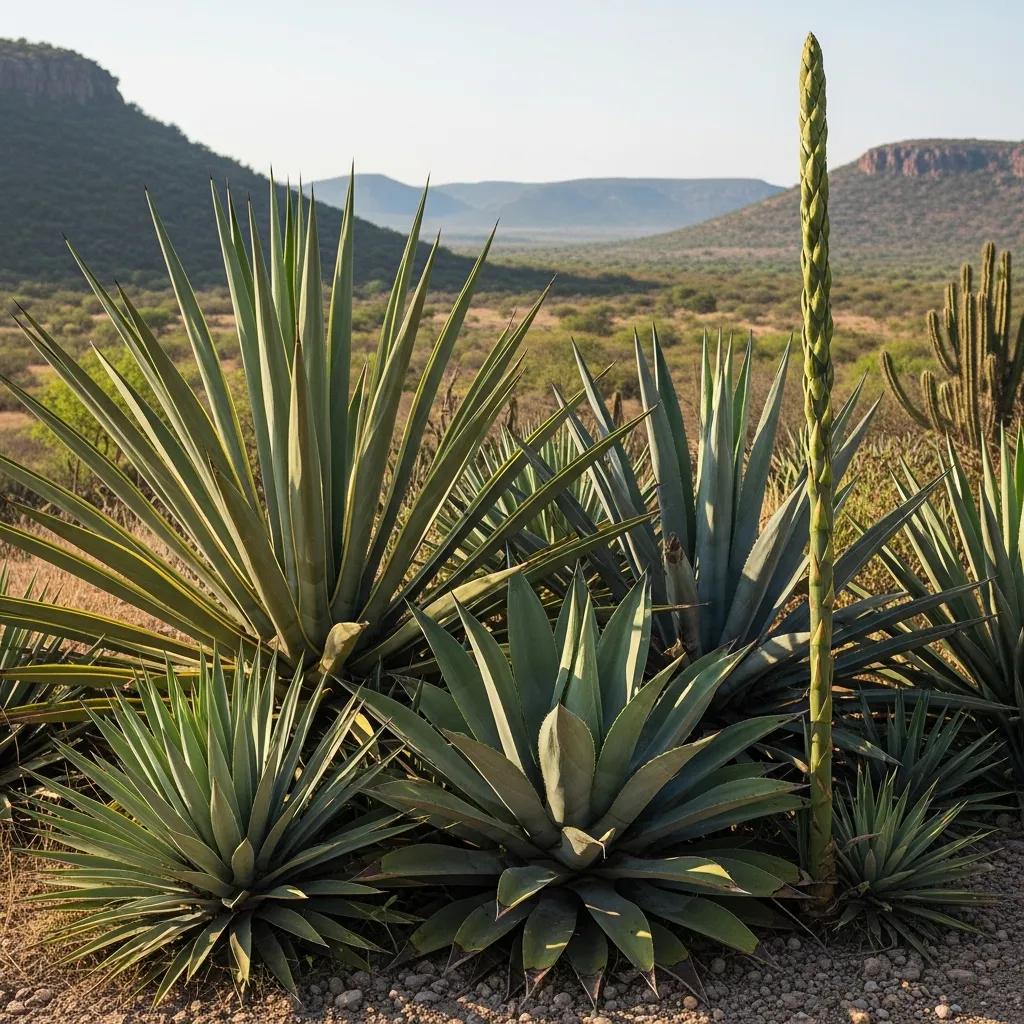
Mezcal draws from many agave species; tequila centers on blue Weber. That botanical diversity is a primary reason mezcal spans a wide flavor spectrum and pricing range. Different species contribute unique sugar matrices and aromatic precursors—everything from floral and fruity to earthy and mineral. Knowing how varietals influence the spirit helps tasters and bartenders select bottles for sipping or for pairing with delicate or robust dishes.
What Makes Blue Weber Agave Unique to Tequila?
Blue Weber agave’s sugar profile and cultivation traits make it the practical and legal choice for tequila. Grown mainly in Jalisco and nearby zones, it provides consistent fermentable sugars and aromatic precursors that often read as citrus, pepper, and fresh agave in unaged expressions. Combined with region-specific regulations, this consistency yields a recognizable flavor template across tequila styles—from vibrant blancos to oak-forward añejos.
What Are the Common Agave Varieties Used in Mezcal?
Mezcal producers work with a broad roster of agave species, each bringing distinct tasting cues and, often, rarity-driven pricing. Common names you’ll encounter include Espadín, Tobalá, Madrecuixe, Tobasiche and Cuishe—each with its own profile and appeal.
- Espadín: A widely cultivated, versatile agave—balanced and sweet-earthy.
- Tobalá: Small, often wild plants that deliver floral, tropical-fruit complexity.
- Madrecuixe: Tall, cane-like agave with mineral, herbal and savory tones.
- Tobasiche: Wild species that produce concentrated, nuanced fruit-and-earth notes.
- Cuishe: Dry, mineral-driven profiles with subtle herbaceous character.
These varietals illustrate how agave selection affects availability, flavor and price—and why wild-harvested mezcals often become sought-after bottlings in tasting flights.
How Do Production Methods Differ Between Mezcal and Tequila?
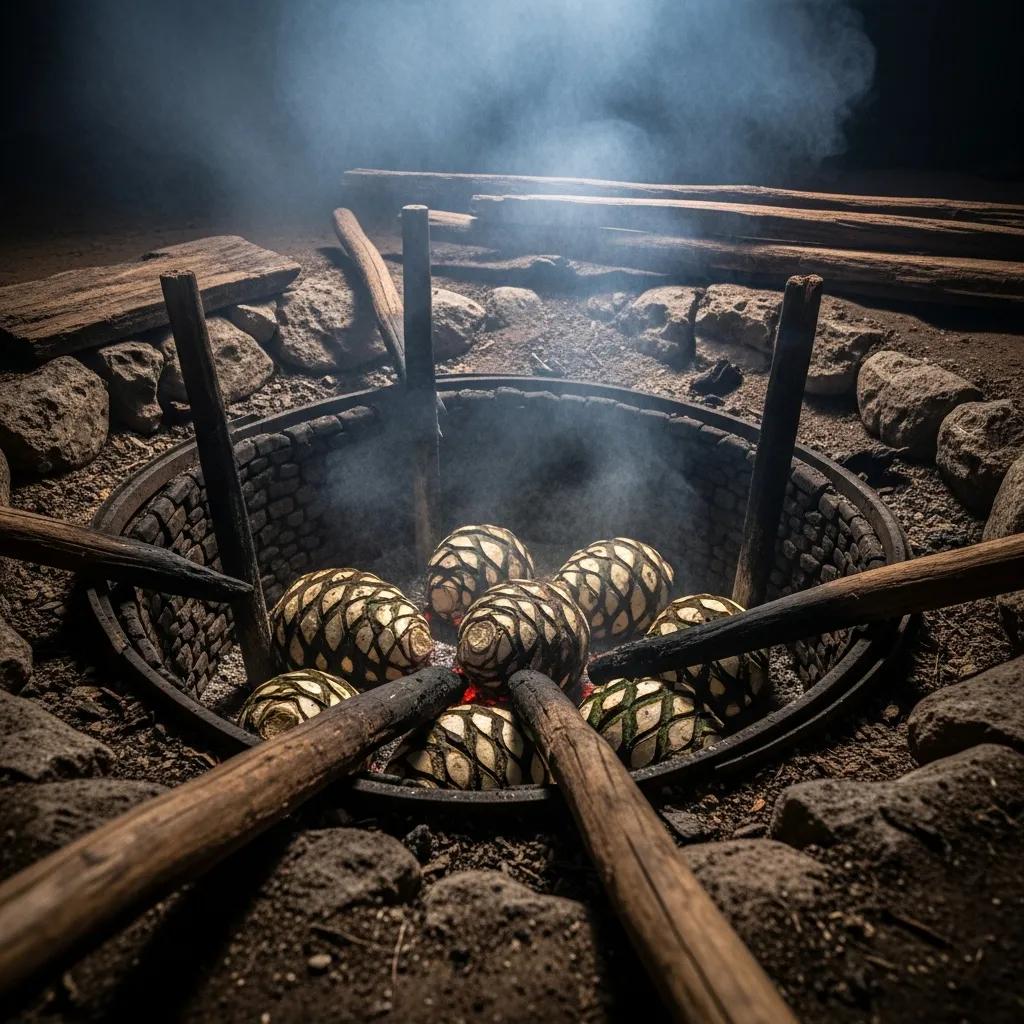
The key stylistic divide begins with production: mezcal’s pit-roasted piñas and frequently artisanal distillation produce smoky, earthy complexity, while tequila’s oven or autoclave steaming and larger-scale copper distillation tend to yield cleaner, brighter spirits. Choices—roasting versus steaming, clay versus copper stills, open-air versus controlled fermentation—directly shape phenolic, caramelized and vegetal compounds in the final distillate. The table below summarizes those practical differences and their flavor impact.
Why Is Tequila Made Using Steamed Agave?
Steaming in ovens or autoclaves favors efficiency, hygiene and consistent sugar extraction. The controlled heat hydrolyzes inulin into fermentable sugars without adding the smoky phenolics of open-fire roasting. For producers this supports predictability and scale; for drinkers it often means tequila emphasizes citrus, pepper and agave sweetness—qualities that work equally well in cocktails and for neat tasting.
How Does Mezcal’s Roasting Process Create Its Signature Flavor?
Mezcal’s smoke begins in the earth: piñas are layered with wood and heated stone, covered and roasted for days. The process introduces phenolic smoke compounds and caramelization while preserving plant aromatics tied to terroir. Those compounds carry through fermentation and distillation, producing a range from light toasted notes to campfire and resinous intensity. Variables such as wood type, pit design and agave species make each mezcal distinct; clay stills and small-batch techniques can add rustic texture and aromatic nuance.
What Are the Key Regional Differences of Mezcal and Tequila?
Geography and designation of origin shape both spirits. Tequila centers in Jalisco under protected status, which standardizes production zones and expectations. Mezcal’s map is broader—anchored by Oaxaca but including multiple states—resulting in a wide mosaic of styles and village traditions. Climate, soil and local technique influence agave growth and sugar concentration, which in turn inform flavor, availability and pairing strategy.
Why Is Jalisco Known as the Heart of Tequila Production?
Jalisco’s soil, climate and historical distillation infrastructure made it the natural hub for tequila. Legal designations have formalized that role, tying production standards and geography to the category. Local towns developed cultivation and distillation systems that enabled large-scale production and global reach. Subregional terroir—volcanic soils in some areas, varying altitude in others—adds subtle agave differences that distillers refine through cooking and aging choices. History and regulation together make Jalisco synonymous with tequila.
How Does Oaxaca Define Mezcal’s Expansive Territory?
Oaxaca is mezcal’s cultural heartland, where villages and palenques carry forward pit-roasting techniques, diverse agave stewardship and local yeast traditions. While Oaxaca is central, other states contribute notable expressions as well. This regional breadth encourages experimentation, preserves knowledge of wild agaves and explains why mezcal offers so many distinct bottlings for explorers seeking one-of-a-kind spirits.
How Do Flavor Profiles Compare Between Mezcal and Tequila?
Flavor comes from agave species, cooking, fermentation and aging. Tequila often reads as clean agave with citrus and pepper, gaining vanilla and caramel with oak; mezcal leans toward smoky, earthy, vegetal, floral or fruity notes depending on species and roasting. The table below offers a quick reference of typical flavor notes and examples to guide tasting and pairing.
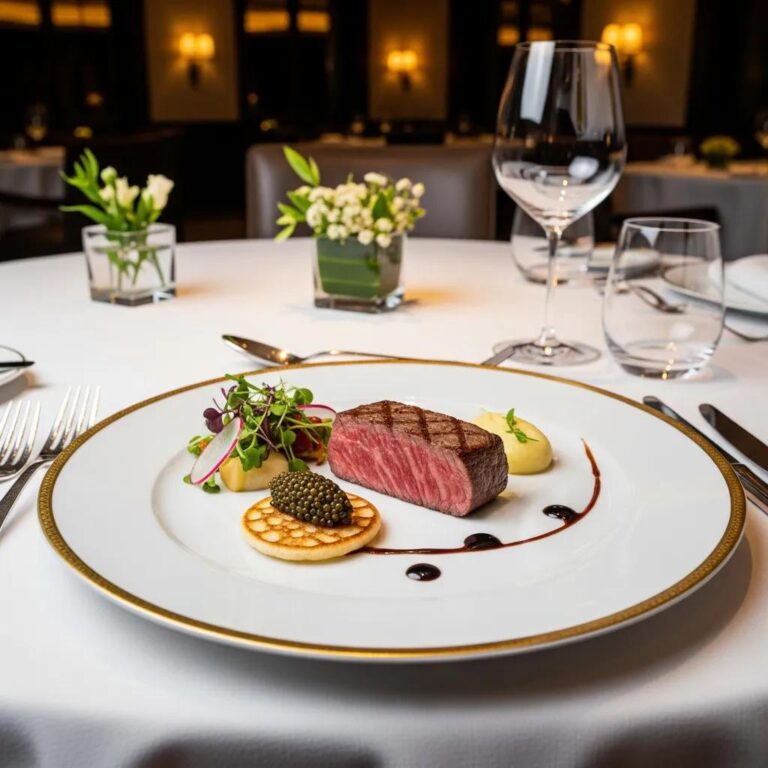
Note: Mezcal’s smoky, savory layers pair beautifully with umami-rich luxury ingredients—think caviar or A5 Wagyu—making curated tasting events an exceptional way to explore contrasts.
What Are the Typical Flavor Notes of Tequila?
Tequila’s signature varies by age category. Blancos show bright citrus, pepper and pure agave; reposados bring soft oak, vanilla and light caramel; añejos and extra-añejo develop richer caramel, spice and toasted-wood depth. Blue Weber agave contributes underlying sweetness and herbal nuance throughout, while clear distillation often highlights floral and citrus aromatics—qualities that make tequila equally suited to cocktails and neat tasting.
Why Is Mezcal Known for Its Smoky and Complex Flavors?
Mezcal’s complexity comes from pit-roasting—introducing phenolic smoke compounds—combined with species diversity and often open fermentation, which can produce fruity, floral or funky esters. Smoke expresses across a spectrum—lightly toasted to campfire or resinous—depending on wood and roast duration. Small-batch distillation and still materials (clay or copper) further shape mouthfeel and aromatic persistence, creating highly individual expressions that reward side-by-side tastings and thoughtful pairings.
How Are Mezcal and Tequila Classified by Aging and Style?
Both spirits use common aging terms—joven/blanco, reposado, añejo, extra-añejo—but practice and market positioning differ. Many mezcals are enjoyed joven to preserve agave and smoke; tequila commonly presents a full spectrum of oak-aged styles. Time in wood changes chemistry—adding vanillin, caramel and spice while smoothing harsh edges. Knowing these categories helps you choose spirits for cocktails or contemplative sipping.
What Are the Aging Categories of Tequila?
Tequila’s aging categories are defined by precise time windows: blanco (unaged or briefly rested), reposado (two to twelve months), añejo (one to three years) and extra-añejo (over three years). Interaction with oak introduces vanillin, lactones and toasted-wood notes that reshape tequila’s agave character, producing everything from lively blancos to deeply layered extra-añejo expressions suited to slow sipping. These categories set clear expectations for flavor and pairing.
How Does Mezcal’s Maturation Process Differ?
Many mezcals are enjoyed joven to showcase raw agave and smoke, though reposado and añejo mezcals are increasingly common. Producers vary widely in barrel choice—neutral oak to soften smoke, or sherry and bourbon casks to add new layers. Because mezcal often starts with a pronounced phenolic baseline, aging interacts with smoke and vegetal compounds in unique ways, rewarding tastings across maturation stages.
How Can You Enjoy Mezcal and Tequila: Serving Suggestions and Cocktails?
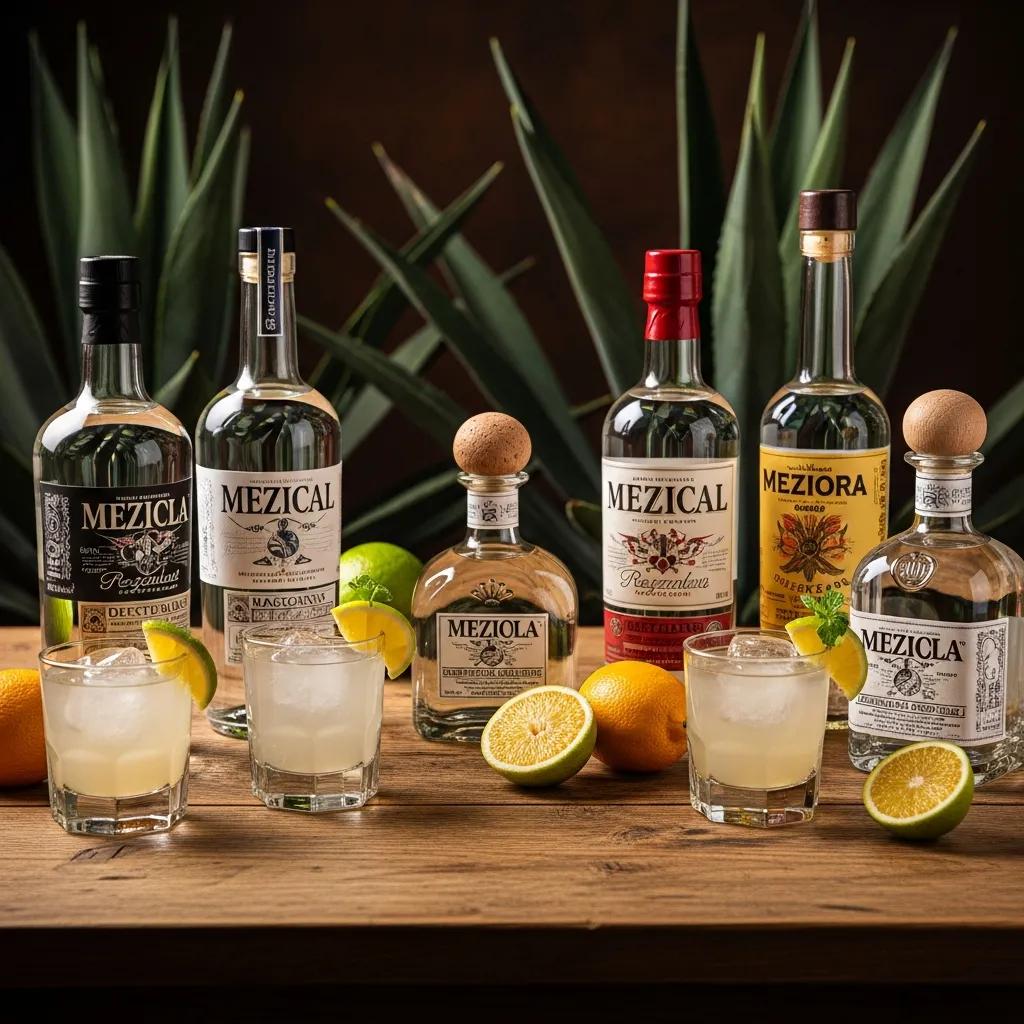
Deciding to sip neat or mix depends on the spirit’s style. Complex, well-aged expressions reward small sips in a tulip glass at slightly below room temperature; vibrant blancos shine in shaken or stirred cocktails that highlight agave brightness. Glassware, temperature and simple palate cleansers—still water or plain crackers—can reveal subtle facets. Classic and contemporary cocktails play to different strengths: margaritas and palomas favor tequila’s clean agave, while mezcal adds depth to negroni riffs and smoky margaritas. Below are a few reliable examples and serving suggestions.
- Margarita: Tequila blanco with lime and orange liqueur to showcase agave freshness.
- Paloma: Tequila with grapefruit soda for a crisp, citrus-forward drink.
- Mezcal Negroni (Oaxacan Negroni): Mezcal in place of gin to add smoky depth to the bitter-sweet balance.
- Oaxaca Old Fashioned: A blend of mezcal and añejo tequila with bitters for a smoky, oak-forward sip.
These cocktails show how spirit selection alters a drink’s character and inform whether a bottle is best served neat or mixed.
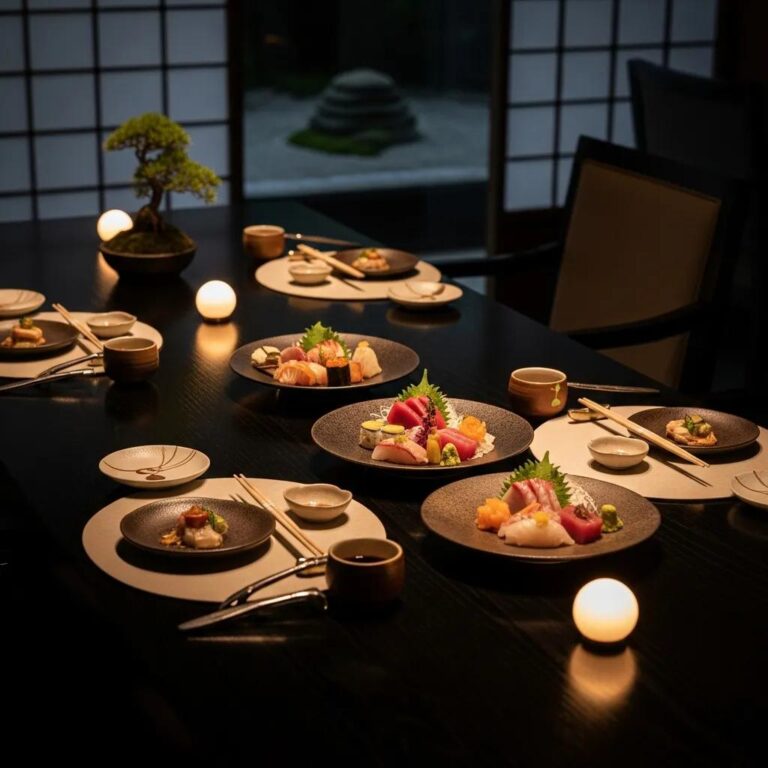
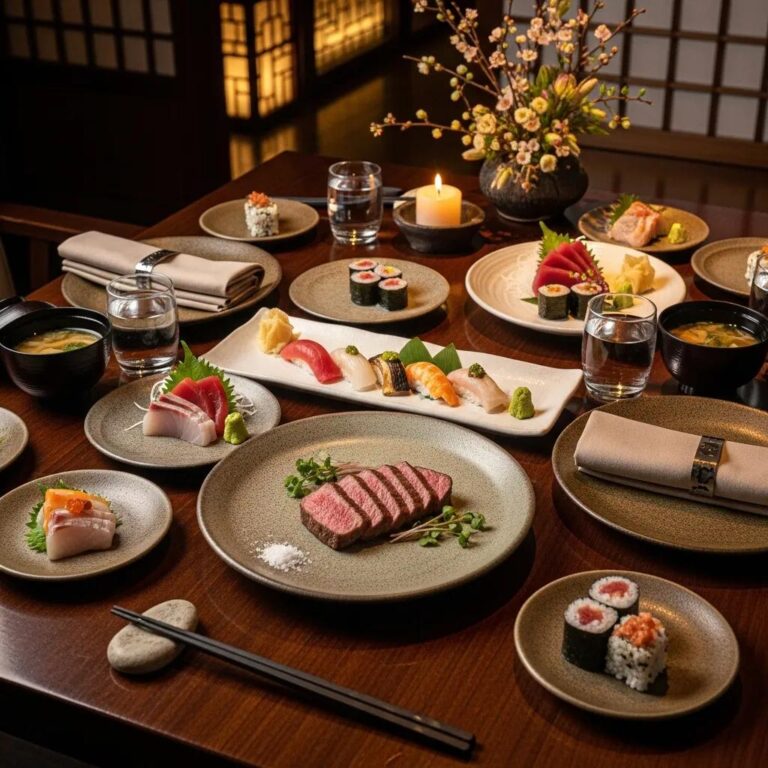
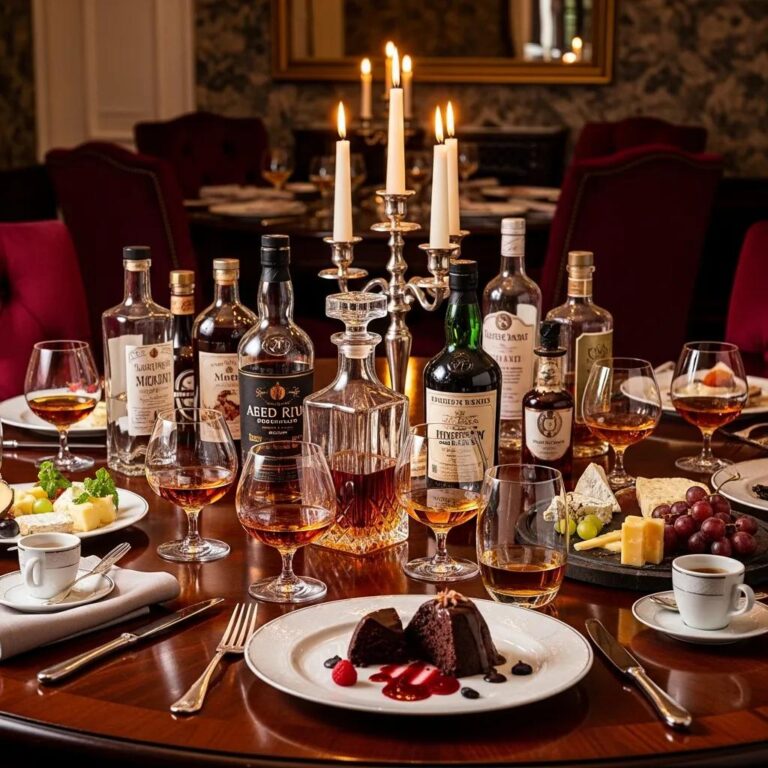
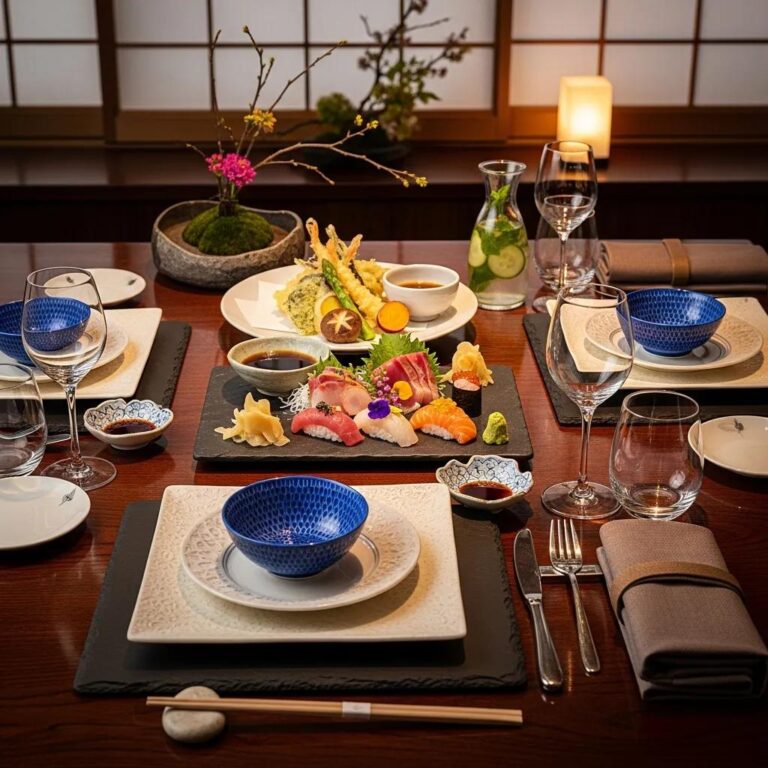
For diners seeking a refined beverage program that pairs agave spirits with premium cuisine, Reserve at Kaviar Restaurant for a curated tasting where elevated Japanese dishes meet thoughtfully selected cocktails and pours.
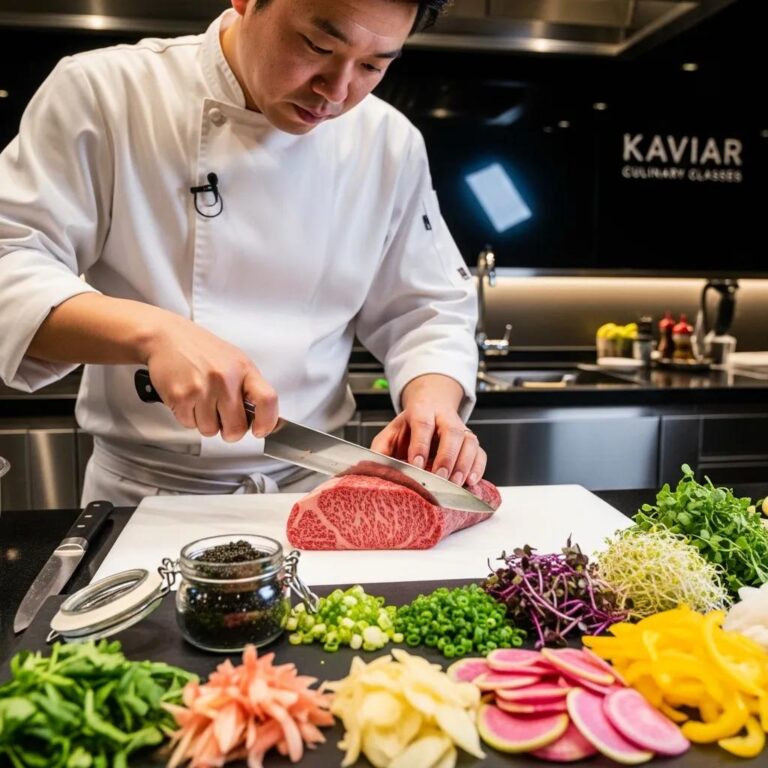
View Kaviar Restaurant Menu — a fine dining address in Pasadena, California, specializing in elevated Japanese cuisine. The site highlights a luxurious dining experience with signature services such as caviar presentations, A5 Wagyu and refined sushi and sashimi. Our differentiators are premium ingredients, an omakase-forward approach and a beverage program crafted to complement luxury dining. Explore Menu, Reservations and Contact for more details.
What Are Classic Cocktails Featuring Tequila and Mezcal?
Classic cocktails reveal how bartenders play to agave’s strengths: Margarita and Paloma emphasize tequila’s citrus and clarity, while mezcal excels in stirred or spirit-forward creations that benefit from smoky complexity. Swapping mezcal for tequila deepens a cocktail’s backbone and pairs well with smoky or umami-rich foods. These notes help home and pro mixologists choose the right agave spirit for the intended flavor profile—bright and refreshing, or deep and contemplative.
How Should You Sip Mezcal and Tequila for Best Flavor?
Taste deliberately: use a tulip or Glencairn-style glass and follow a layered approach—first assess aroma, then take small, measured sips to evaluate texture and finish, noting how flavors evolve as the spirit warms. Give smoky mezcals a moment in the glass so volatile phenolics can settle; quick nosing often reveals citrus and herbal top notes in younger tequilas. Pair with small bites that mirror or contrast the spirit—acidic citrus for tequila, umami-rich morsels for mezcal—to explore how agave spirits interact with complex flavors.
Is Tequila a Type of Mezcal? Clarifying Common Questions
In broad terms, tequila sits within the larger family of agave-derived spirits, but legal definitions and production standards distinguish tequila as its own regulated category. Think of mezcal as the broader tradition of agave spirits and tequila as a specific expression defined by blue Weber agave and regional rules. That framework clarifies why every tequila is an agave spirit while not every mezcal qualifies as tequila.
Why Is All Tequila Considered Mezcal but Not Vice Versa?
Taxonomically, tequila falls under the umbrella of agave spirits—sharing harvest, cooking, fermentation and distillation steps with mezcal—yet it differs by exclusive use of blue Weber agave and by strict geographic and regulatory boundaries. Tequila’s narrower rule set makes it a specialized expression within the broader mezcal/agave family. Remember: mezcal denotes method and diversity; tequila denotes a regulated varietal and region.
What Are the Main Differences That Set Them Apart?
- Agave Type: Tequila predominantly uses Blue Weber agave; mezcal uses many species.
- Production Method: Tequila is typically steamed; mezcal is often pit-roasted, producing smoke.
- Region: Tequila centers in Jalisco (and defined zones); mezcal spans Oaxaca and multiple states.
- Flavor: Tequila generally reads cleaner and citrus-forward; mezcal is often smoky, earthy and variable.
These distinctions inform cocktail choices, food pairings and tasting flights, helping consumers select the experience they prefer.
Frequently Asked Questions
What is the best way to taste mezcal and tequila?
Use a tulip or Glencairn glass and begin by smelling to capture top notes. Take small sips to evaluate texture and finish, and allow the spirit to warm slightly in the glass—especially for smoky mezcals—to reveal deeper aromatics. Pair tastings with small bites that complement or contrast the spirit, such as citrus for tequila and umami-rich foods for mezcal, to better understand how flavors interact.
Can mezcal and tequila be used interchangeably in cocktails?
They can be swapped depending on the desired result. Tequila’s clean, citrus-forward profile suits refreshing cocktails like margaritas. Mezcal’s smoky complexity adds depth to spirit-forward drinks like a mezcal negroni. Choosing between them should be a deliberate decision based on the flavor you want to highlight.
How should mezcal and tequila be stored for optimal flavor?
Store bottles upright in a cool, dark place away from direct sunlight and temperature swings. Unlike wine, these spirits won’t improve in the bottle; enjoy them within a few years for best quality. Keep caps tightly sealed to limit oxidation—opened bottles are best consumed within a year for optimal flavor.
What food pairings work best with mezcal and tequila?
Mezcal pairs exceptionally well with rich, umami-forward dishes—grilled meats, smoked fish and even caviar—where its smoky notes enhance savory flavors. Tequila, particularly blanco, complements lighter fare such as citrus salads, seafood and fresh salsas. Match the spirit’s profile to the dish’s weight and flavor intensity for the best results.
Are there any health benefits associated with mezcal and tequila?
When enjoyed responsibly, both mezcal and tequila are relatively low in sugar and carbohydrates compared with many mixed drinks. Tequila contains agavins, a natural sugar found in agave, which some studies suggest may have digestive benefits—but evidence is limited and consumption should be moderate. Always consult a healthcare professional for personalized guidance on alcohol use.
What are the differences in cocktail styles between mezcal and tequila?
Tequila typically features in bright, refreshing cocktails like margaritas and palomas that highlight its clean agave and citrus notes. Mezcal shines in more complex, spirit-forward cocktails—think Oaxaca Old Fashioned or mezcal negroni—where its smoky depth enhances structure and richness. Understanding these tendencies helps bartenders and home mixologists craft balanced drinks that showcase each spirit’s strengths.
Conclusion
Knowing how agave variety, production and region shape mezcal and tequila deepens appreciation for both spirits. Explore varietals, production styles and aging to find what suits your palate—whether you favor mezcal’s smoky complexity or tequila’s bright clarity. For an elevated pairing experience, discover our curated selection of premium agave spirits and join us at Kaviar for a beverage program designed to complement fine Japanese cuisine.