





Understanding Umami — The Fifth Taste in Fine Dining at Kaviar Restaurant
Umami is the savory note that completes the classic five tastes—sweet, sour, salty, bitter and umami—and it’s at the heart of elevated Japanese dining. Scientific research shows umami comes from compounds like glutamate and certain nucleotides that bind taste receptors and deepen flavor and mouthfeel. This article walks through the science, common culinary sources, and the chef techniques used to layer savory complexity in a fine‑dining kitchen. You’ll see how kombu, miso, shiitake, uni and A5 Wagyu contribute on a molecular and sensory level, how an omakase sequence highlights those layers, and how thoughtful beverage pairings can accentuate savory notes. Along the way we connect these ideas to Kaviar’s modern Japanese approach—spotlighting our signature dishes, omakase progression, and how to reserve a curated umami experience in Pasadena.
What Is Umami and Why Is It Called the Fifth Taste?
Umami is a distinct taste quality driven mainly by free glutamate and amplified by nucleotides such as inosinate and guanylate. These molecules engage specialized receptors on the tongue, producing a sustained savory sensation; when glutamate and nucleotides appear together, the signal grows stronger. In the kitchen, chefs use umami to enrich mouthfeel, balance acidity and salt, and create a lingering finish that makes a dish feel complete. This receptor-level logic explains why fermented and aged elements are foundational in Japanese fine dining and in contemporary tasting menus.
Molecular Basis of Umami Taste Perception: Glutamate, Nucleotides, and Receptors
Research identifies L‑glutamate (often experienced as MSG) as a primary elictor of umami, with purine nucleotides (IMP, GMP) potentiating that effect. A heterodimer of TAS1R1 and TAS1R3 is believed to act as the human umami receptor, and genetic differences in these subunits can alter sensitivity to umami stimuli. Studies comparing receptor variants suggest measurable differences in responsiveness to glutamate alone and to glutamate plus nucleotides, which helps explain variation in umami perception between individuals.
How Does Umami Create the Savory Flavor Profile?
Umami sharpens savory richness by activating receptors that both boost other taste perceptions and extend flavor on the palate. Glutamate pairs with inosinate or guanylate to create synergy—so kombu (high in glutamate) combined with katsuobushi (high in inosinate) tastes noticeably more savory together than alone. The result is a fuller body and a lingering, “mouth‑filling” finish that enhances texture and perceived succulence. That molecular cooperation is why chefs routinely pair miso and kombu in broths: the combined compounds create a savory backbone that elevates delicate seafood and proteins.
What Are the Natural Sources of Umami in Gourmet Food?
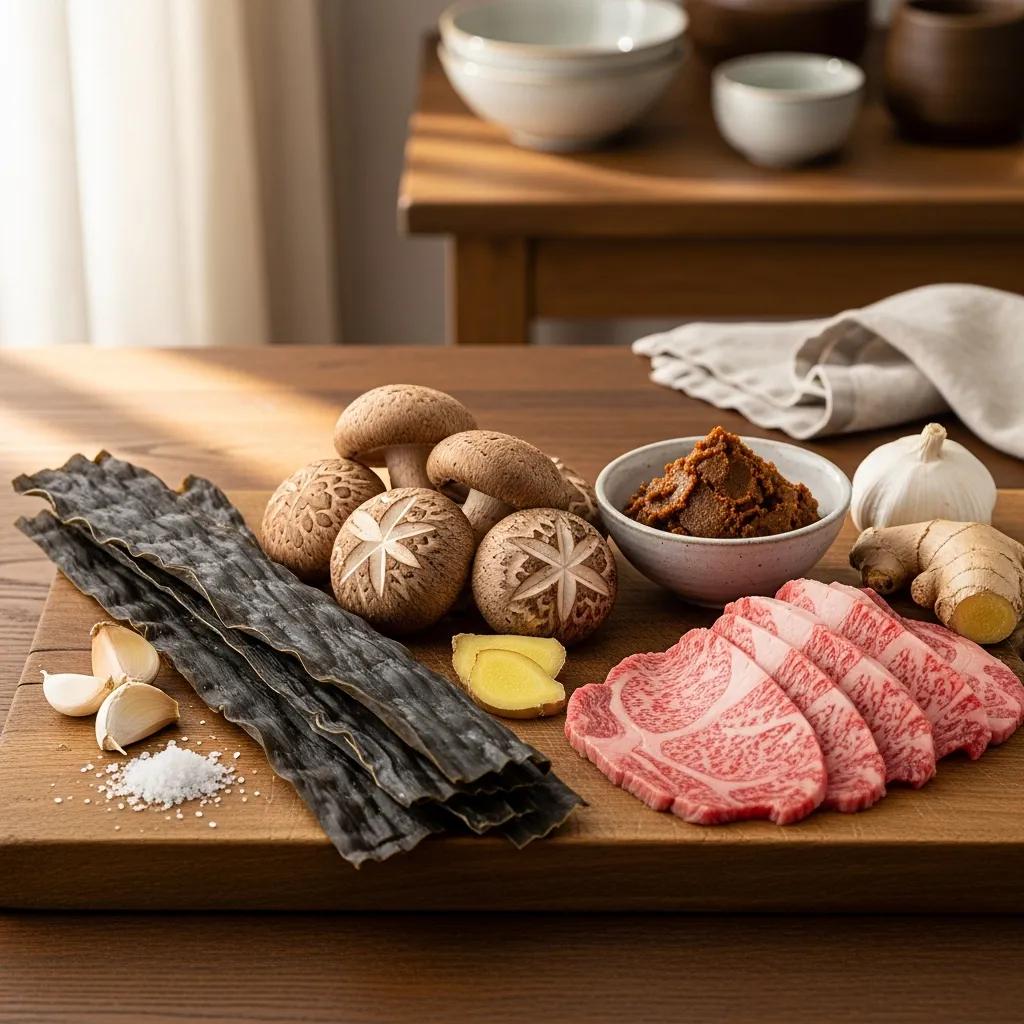
Natural umami concentrates form through fermentation, aging or biological richness. Typical examples are kombu, miso, shiitake, aged soy, uni, tuna and richly marbled beef like A5 Wagyu. Simmered kombu releases free glutamate; fermented pastes such as miso develop savory peptides as microbes break down proteins; seafood like uni and aged tuna concentrate marine glutamates; and dried mushrooms supply guanylate that synergizes with glutamate from other ingredients. Recognizing these sources lets chefs build layered umami profiles—combining seaweed, fermented pastes, mushroom and premium proteins—to achieve balanced, resonant dishes.
Umami and Kokumi: The Science Behind the Fifth Taste and Flavor Enhancement
Umami—largely derived from amino acids like L‑glutamate and nucleotides such as GMP and IMP—is responsible for savory depth in foods like Parmesan, soy sauce and shiitake mushrooms. Kokumi compounds (for example, γ‑glutamyl peptides) don’t create a distinct taste but increase mouthfeel, intensity and continuity, enhancing overall flavor. Together, umami and kokumi enrich dishes and are increasingly important for developing natural flavor solutions across food categories.
With that science as a foundation, Kaviar applies these principles through deliberate ingredient choices and precise technique to craft elevated umami moments. Our kitchen emphasizes premium elements—Kaluga caviar, Miyazaki A5 Wagyu and responsibly sourced seafood—and methods that concentrate savory compounds while preserving texture and seasonality. Guests interested in this approach will find it best experienced via our omakase and signature tasting formats, where curated umami progressions are the focus.
How Is Umami Central to Japanese Fine Dining in Pasadena?
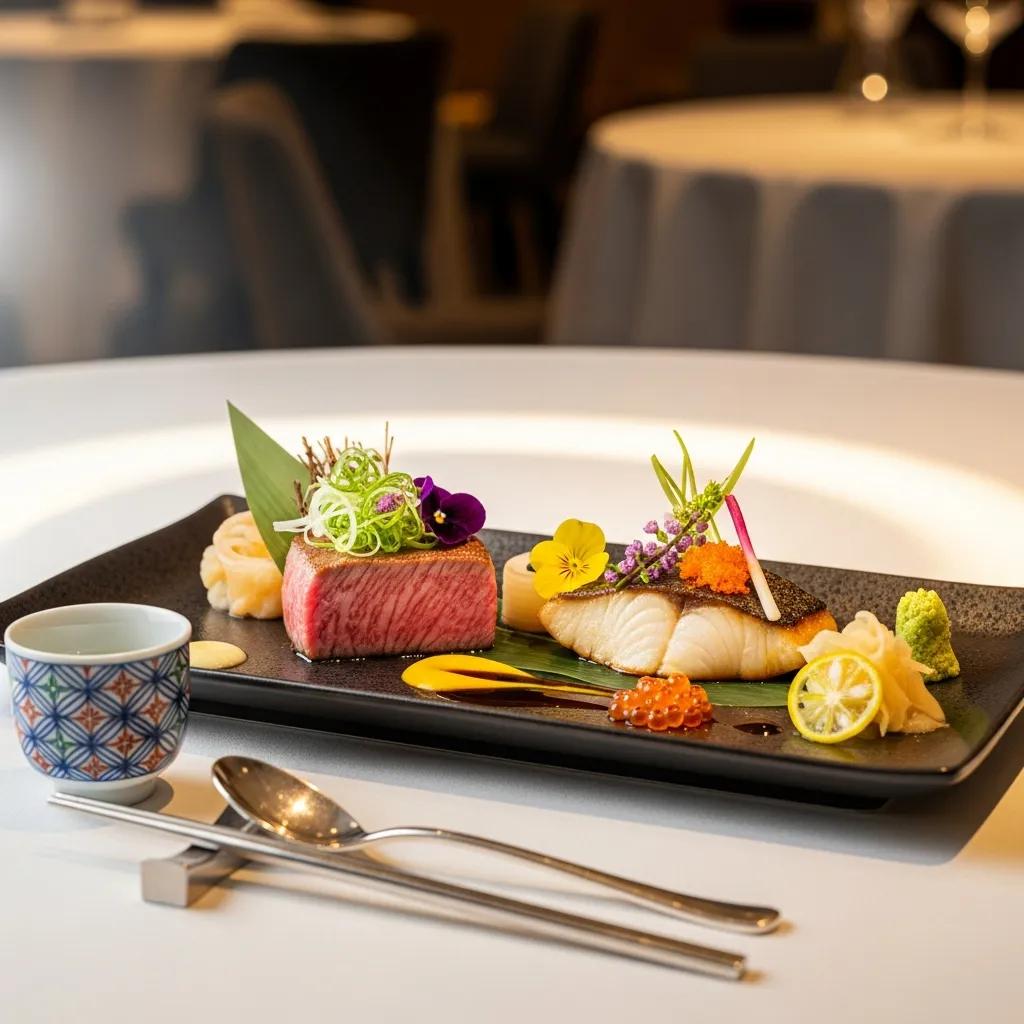
Umami is fundamental to Japanese culinary thinking because it lets chefs create depth, balance and narrative across a sequence of courses—an approach that translates well to Pasadena’s fine‑dining scene. In a tasting menu, umami is a structural tool: chefs layer fermented, aged and concentrated elements to build a cohesive progression that guides the palate. Local restaurants using omakase or tasting formats employ these techniques to set themselves apart; Kaviar highlights this with a dedicated sushi bar, omakase options and premium ingredients that showcase savory complexity. Understanding umami helps diners appreciate why certain dishes feel complete and why thoughtful sequencing and pairings matter.
Which Umami-Rich Ingredients Define Japanese Cuisine at Kaviar?
Kaviar’s pantry blends classic and luxury umami sources: kombu and miso for foundational glutamate and fermented depth; shiitake and aged soy for mushroom and aged notes; and uni, prime tuna, Kaluga caviar and Miyazaki A5 Wagyu for concentrated marine and beef umami. Each ingredient has a role—kombu forms dashi, miso seasons marinades and glazes, shiitake (fresh or dried) supplies guanylate lift, and uni brings oceanic glutamates into richer preparations like pasta. These components let our chefs combine parts—seaweed plus fermented paste, for example—to compose layered savory profiles with complementary textures that define Kaviar’s modern Japanese identity.
How Does Kaviar Incorporate Umami in Its Signature Dishes?
At Kaviar, we extract and amplify umami through measured techniques: controlled marination, fermentation, gentle reductions and precise caramelization—always balancing acidity, fat and salt so primary flavors remain clear. Slow marination or roasting can free glutamates in fish; reductions concentrate savory juices for sauces and glazes; and careful aging or handling of premium proteins like A5 Wagyu intensifies flavor while preserving texture. These methods are used with restraint so each dish maintains textural integrity and an elegant, layered savory profile that supports, rather than overwhelms, the main ingredient.
This overview links ingredient, compound and culinary use to show how key elements contribute both molecularly and functionally to Kaviar’s umami‑driven plates.
What Are Kaviar’s Signature Umami Dishes and Their Flavor Profiles?
Our signature dishes showcase concentrated umami through selective ingredients and layered technique, delivering memorable, luxurious flavors. Highlights like Miso Glazed Black Cod, Uni Pasta with Caviar and A5 Wagyu Tartare each represent a different umami archetype—fermented glaze, oceanic creaminess with briny accents, and richly marbled beef with raw texture. Each plate uses a distinct carrier—fermented paste, roe and gonadal tissues, or intramuscular fat—while service and pairings underscore the savory narrative. Below are concise profiles that break down primary umami contributors, texture and pairing suggestions.
How Does Miso Glazed Black Cod Deliver Deep Umami Flavors?
Miso Glazed Black Cod relies on fermented miso as its umami engine: microbial breakdown of soy proteins yields glutamates and savory peptides that penetrate the fish during marination. Gentle caramelization of the glaze adds Maillard‑driven savory‑sweet notes that heighten umami perception. The fish’s buttery texture acts as a fat carrier for soluble umami compounds, producing a silky mouthfeel and lingering finish. Pair it with a fuller junmai sake or a light, gently acidic white to balance sweetness and amplify the dish’s savory harmony.
What Makes Uni Pasta with Caviar an Indulgent Umami Experience?
Uni Pasta layers the oceanic glutamates of sea urchin with rich starch and dairy to form a creamy carrier that coats the palate and prolongs flavor release. Uni supplies intense marine umami while the pasta and butter or cream act as vehicles for mouthfeel and diffusion. Kaluga caviar as a finishing garnish adds concentrated briny bursts and a textural counterpoint, punctuating the dish with saline highlights. A delicate ginjo sake or a crisp, low‑alcohol white complements without masking the sea‑forward layers.
Why Is A5 Wagyu Tartare a Symphony of Savory Umami?
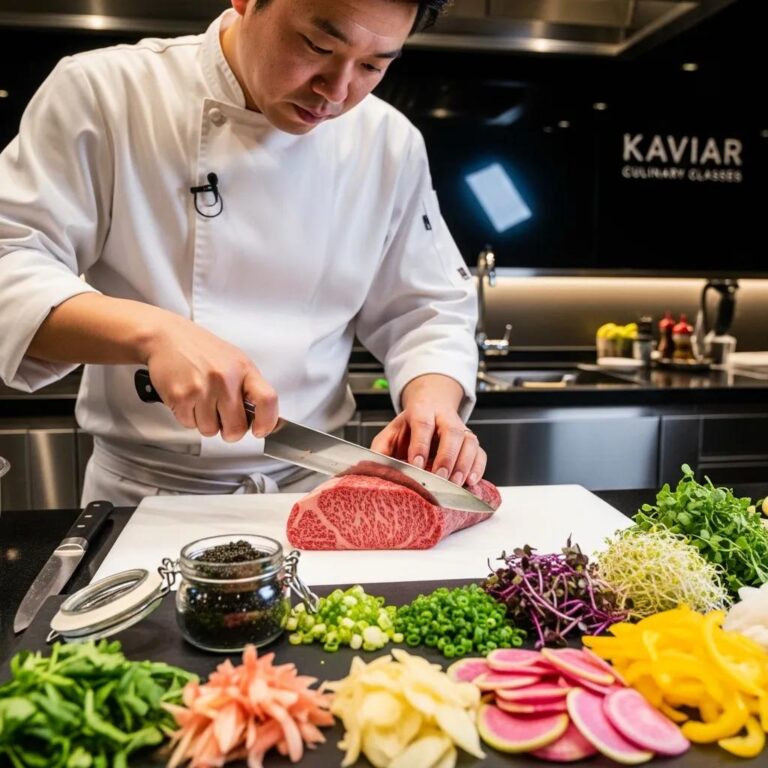
A5 Wagyu Tartare showcases umami through exceptional marbling: intramuscular fat carries flavor and concentrates amino acids that express savory taste. Served raw or lightly seasoned, the preparation preserves the meat’s delicate texture so umami nuances are perceptible without interference from heavy cooking. Minimal garnishes—like a touch of caviar or a fermented condiment—introduce extra nucleotides or saline contrast to lift the profile. The interplay of fat, raw texture and umami density creates a sustained, luxurious finish that highlights ingredient quality.
How Does the Omakase Experience at Kaviar Highlight Umami Flavors?

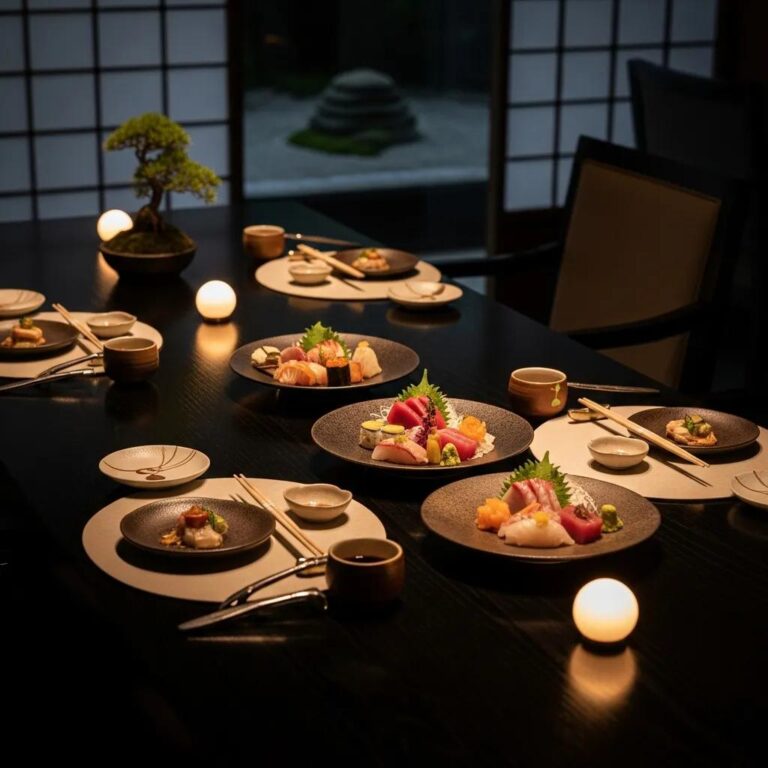
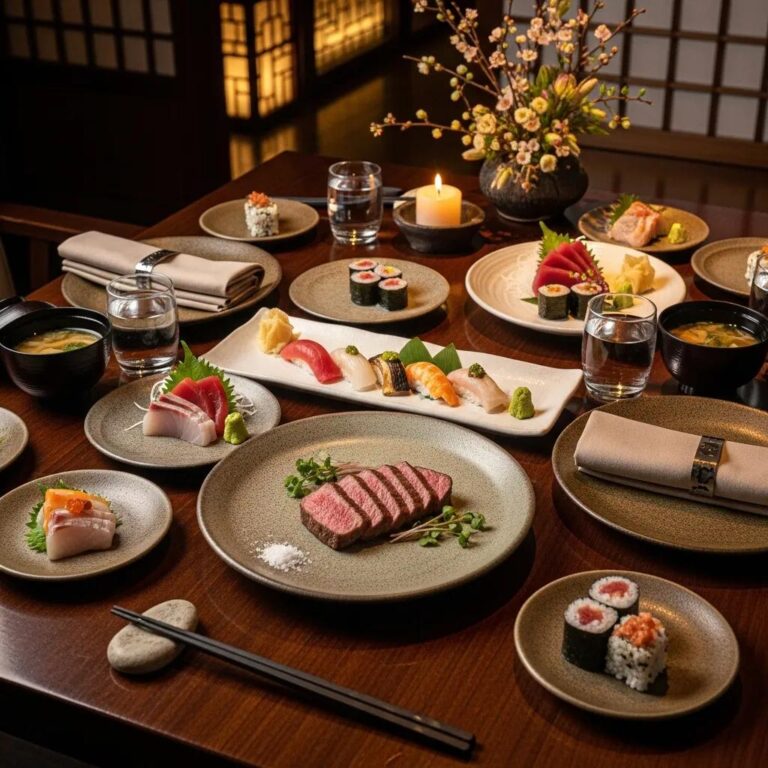
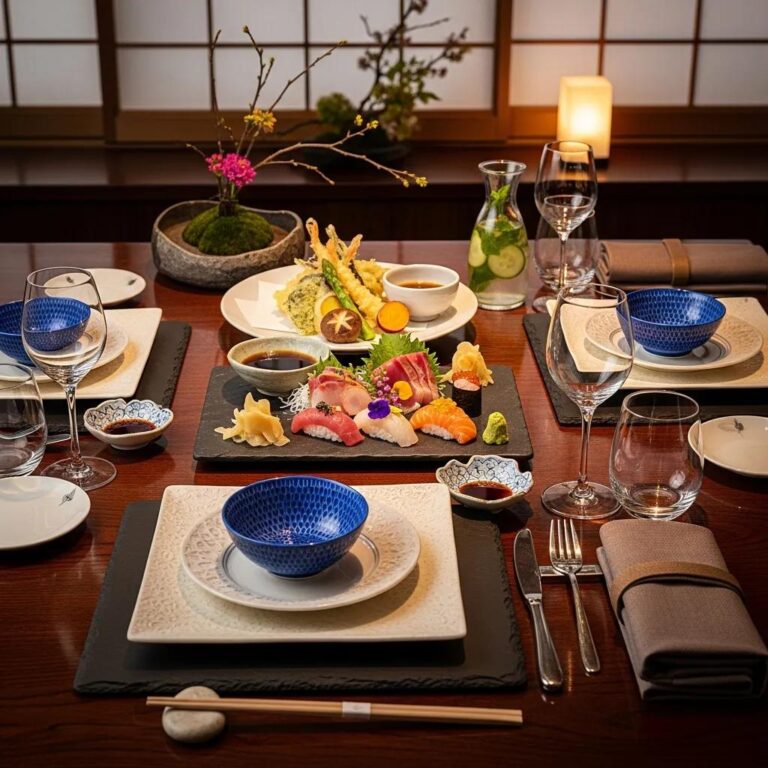
Omakase is a chef‑led tasting sequence that intentionally builds umami in a balanced, educative way—beginning with delicate bites and moving toward concentrated savories. The progression often starts with light, clean courses for contrast, then advances through richer seafood and meat dishes that layer fermented or aged components, and ends with palate‑cleansing elements to refresh the mouth. Presented as a narrative, each course introduces new compounds or techniques that knit together into a fuller savory arc. For guests seeking an immersive umami journey, omakase is uniquely effective because it integrates texture, temperature and molecular pairing into a single, unfolding experience.
What Is the Chef’s Philosophy Behind Umami in Omakase?
Our chef approaches umami with seasonality, restraint and balance—selecting peak‑fresh ingredients and using techniques that reveal rather than mask their natural flavors. Seasonality dictates when certain umami items—like pristine uni or a special fish cut—appear on the menu; restraint ensures enhancements such as miso or reductions support the ingredient instead of dominating it. The philosophy also values textural contrast and calibrated intensity so each bite prepares the palate for the next. This measured curation aligns with fine dining principles: to inspire discovery and lasting satisfaction, not fleeting novelty.
How Does the Umami Progression Unfold During the Omakase Tasting?
An umami‑forward omakase typically moves from subtle to concentrated: beginning with clean, light starters; progressing to concentrated seafood courses with fermented accents; peaking with rich mains like A5 Wagyu or aged fish; then finishing with palate‑cleansing elements. This sequence leverages sensory adaptation: early delicate umami primes the palate, mid‑course concentrations create peak savoriness, and finishing items restore balance so each subsequent flavor registers clearly. The order is illustrative, not rigid—the chef adapts each progression to seasonal availability and guest preferences while preserving the structural logic that enhances umami perception.
- Light Umami Starters: Clean sashimi or subtle dashi elements that prime the palate.
- Concentrated Seafood Courses: Uni, marinated fish and other sea‑forward preparations that deepen savoriness.
- Rich Mains: Beef or richly seasoned plates that represent peak umami concentration.
- Palate Cleanses: Simple acidic or vegetal finishes to reset the palate before dessert.
These stages show how omakase composes an evolving sensory story centered on umami and lead naturally into beverage strategies that complement each phase.
How Can You Pair Sake, Wine, and Cocktails to Enhance Umami Dishes?
Pairing beverages with umami dishes comes down to body, acidity, sweetness and effervescence—so the drink highlights savory compounds without dominating them. Key principles: match the drink’s body to the dish’s richness, use acidity to cut through fat, and introduce saline or umami‑friendly elements in cocktails to echo savory notes. Thoughtful pairings amplify umami perception by creating complementary contrasts or molecular synergies—junmai sake’s fuller profile suits rich seafood and meats, while ginjo selections lift delicate sushi. Below are practical pairing rules and examples to guide your choices.
Principles for pairing umami dishes with beverages:
- Match body to richness: Opt for fuller junmai sake or a medium‑bodied wine alongside fatty dishes.
- Use acidity to balance fat: Bright whites or higher‑acid wines cut through creaminess and reveal nuance.
- Echo umami elements: Cocktails with saline, restrained citrus or savory bitters can mirror and enhance savory notes.
These guidelines provide a concise framework and set up concrete examples below.
Which Sake Varieties Complement Umami-Rich Japanese Cuisine?
Sake styles pair predictably with umami textures: junmai and other fuller, rice‑driven selections support richer, fattier foods; ginjo and daiginjo, with floral and fruity aromatics, suit delicate sushi and lighter seafood. Temperature also matters—warmed junmai can emphasize savory impressions with heartier courses, while chilled ginjo preserves aromatic lift for raw fish. Matching sake style to dish lets the beverage either underscore umami (junmai with A5 Wagyu) or provide refreshing contrast (ginjo with uni or sashimi).
What Wine and Craft Cocktails Elevate the Umami Flavor Profile?
For wine, prioritize acidity and moderate tannin: crisp, light whites or medium‑bodied reds with soft tannins complement savory textures without clashing. Cocktail strategies that amplify umami include saline accents, dashi‑infused spirits or citrus that sharpens perception while preserving savory echoes. For example, a yuzu‑bright cocktail with a saline rinse refreshes a rich seafood course, while a medium‑bodied red with gentle tannins stands up to beefy umami without adding bitterness. These design choices help sommeliers and mixologists enhance—never obscure—the nuanced savory qualities of umami‑forward plates.
Example beverage pairings for signature dishes:
- Miso Glazed Black Cod: Junmai sake or a lightly oaked white to complement glaze and texture.
- Uni Pasta with Caviar: Ginjo sake or a crisp, low‑alcohol white to support marine richness.
- A5 Wagyu Tartare: Medium‑bodied red or a fuller junmai sake to match umami intensity.
These examples show how adjusting acidity, body and savory accents in wine and cocktails supports the intrinsic umami in each dish and helps you choose pairings that heighten dining satisfaction.
Where Can You Experience Umami in Pasadena’s Fine Dining Scene?
Pasadena’s fine dining scene includes restaurants focused on freshness, omakase sequencing and premium sourcing—but the most memorable umami experiences combine ingredient quality, exacting technique and attentive service. If you’re after concentrated savory articulation, look for places that emphasize seasonal sourcing, chef‑curated tasting progressions and beverage programs fluent in pairing umami. Kaviar sits squarely in that tradition, offering modern Japanese dining centered on signature plates—miso‑glazed preparations, uni‑forward creations and Miyazaki A5 Wagyu—that layer curated umami. Knowing these differentiators helps diners choose a destination aligned with their expectations for an intentional, umami‑driven meal.
What Makes Kaviar Unique Among Pasadena’s Umami-Focused Restaurants?
Kaviar’s distinguishing elements include a specialized sushi bar, omakase offerings and the use of luxury ingredients like Kaluga caviar and Miyazaki A5 Wagyu to create layered savory experiences. By combining traditional umami sources—kombu, miso and shiitake—with premium proteins and thoughtful beverage pairings, we compose tasting sequences that prioritize balance, texture and progression over single‑ingredient showpieces. Our omakase and signature tasting formats guide guests through an evolving umami education, where each course builds on the last to reveal deeper flavor relationships. For those seeking a reservation‑driven, experiential meal in Pasadena, these qualities make Kaviar a compelling choice.
How Do You Reserve Your Umami Dining Experience at Kaviar?
To reserve an omakase or tasting at Kaviar, use our reservation page and note any preferences—omakase requests or dietary restrictions—so the kitchen can tailor the sequence. Because omakase is chef‑curated, sharing allergies or major preferences ahead of time lets us adapt the progression while preserving the umami narrative. Parties planning special occasions or requesting specific ingredients should mention that on booking so our team can prepare. We recommend reserving in advance for peak service to secure the curated experience that highlights Kaviar’s signature umami dishes and premium ingredients.
- Access the reservation page and choose date, time and party size.
- Note preferences including omakase requests or dietary restrictions.
- Confirm details and arrive ready for a sequenced, umami‑focused tasting.
These steps help guests book successfully and set expectations for an immersive, reservation‑oriented fine dining experience.
Frequently Asked Questions
What is the significance of umami in Japanese cuisine?
Umami is essential to Japanese cooking because it creates depth and harmony across a dish. Ingredients like miso, soy sauce and dashi are foundational: they provide a savory backbone that lets chefs balance flavors and textures so a meal feels complete and satisfying.
How can I identify umami flavors in dishes?
Look for savory, lingering, mouth‑coating sensations that deepen other flavors without overwhelming them. Foods with aged, fermented or concentrated components—such as miso‑glazed fish, rich broths, mushrooms or cured meats—are often clear examples of pronounced umami.
Are there health benefits associated with umami-rich foods?
Many umami‑rich foods are also nutrient‑dense—mushrooms, seaweed and fermented products offer vitamins, minerals and amino acids. Because umami enhances flavor perception, it can also help reduce reliance on extra salt or sugar, supporting more balanced eating.
What role does umami play in beverage pairings?
Umami shapes how a drink interacts with food. Consider body, acidity and flavor profile when pairing: fuller beverages support rich, fatty dishes while brighter, acidic selections refresh the palate. The right pairing will highlight umami notes and make each bite more expressive.
How does the omakase experience enhance the appreciation of umami?
Omakase sequences dishes to build flavor intensity thoughtfully—starting light and moving toward concentrated savories—so diners can perceive how different ingredients and techniques layer umami. The format turns tasting into a journey that reveals the many faces of savory flavor.
Can umami be enhanced in home cooking?
Absolutely. Use ingredients like soy sauce, miso, tomatoes, mushrooms and aged cheeses, and apply techniques such as slow cooking, braising or simple fermentation. Small additions—like a splash of soy in a broth or a spoonful of miso in a marinade—can deepen flavor substantially.
What are some common misconceptions about umami?
Umami is often mistaken for saltiness, but it’s distinct: it adds depth rather than just salt. Another misconception is that umami is rare; in fact, it appears across vegetables, meats and fermented items. Understanding umami’s nuance helps cooks use it more creatively and judiciously.
Conclusion
Understanding umami enriches your appreciation of Japanese fine dining and clarifies why texture, ingredient choice and technique matter at Kaviar. By combining scientific insight with culinary craft, we create layered, memorable flavor experiences. If you’re ready to taste this savory journey, reserve an omakase or tasting at Kaviar and discover how umami shapes every thoughtfully composed course.