





Why Japanese Whisky Pairs So Well With Premium Sushi — The Definitive Pairing Guide
Japanese whisky and premium sushi form a rare culinary chemistry: texture, aroma and umami align to create a layered tasting experience. This guide breaks down why Japanese whiskies — prized for delicate fruit, balanced oak, soft smoke and clean finishes — work so well alongside sushi’s fatty, saline and umami-rich elements. We walk you through the sensory rules, the technical why, and practical course-by-course pairings so you can choose bottles that never overwhelm delicate nigiri or disappear next to toro or A5 Wagyu. Read on to learn the core pairing mechanisms, which whisky styles suit specific sushi, Kaviar’s signature matches for fine-dining omakase, concise tasting notes for standout Japanese expressions, and how to reserve a whisky-forward sushi experience in Pasadena. Keywords like Japanese whisky, whisky pairing, omakase whisky pairing Pasadena, and A5 Wagyu whisky pairing are used here to give clear, service-ready guidance for luxury diners.
What Makes Japanese Whisky an Ideal Match for Sushi?
Japanese whisky often favors restraint, floral and fruit aromatics, and a polished finish — qualities that mirror sushi’s focus on balance and pure texture. That alignment lets whisky either complement fatty, umami-forward bites or act as a palate-cleansing contrast, sharpening flavor clarity and extending aftertaste appreciation. Three practical mechanisms determine whether a whisky supports or competes with a piece of sushi: umami synergy, fat balancing (either cutting or complementing), and clean finishes that refresh the palate. Understanding these pillars helps chefs, sommeliers and diners choose expressions that highlight, rather than obscure, premium sushi’s subtleties. Below is a concise summary to guide pairing decisions and move into specific flavor mapping.
Japanese whisky complements sushi through three core mechanisms:
- Umami synergy: gentle sweetness and subtle oak lift savory glutamates in fish.
- Fat balance: brighter, higher-acid or mildly smoky whiskies cut through oily textures.
- Clean finish: short, precise finishes reset the palate between courses.
These principles set the stage for how individual whisky flavor families interact with common sushi elements.
How Do Japanese Whisky Flavor Profiles Work With Sushi?

Japanese whiskies fall into recognizable families — fruity/floral, malty/vanilla, light smoke/peat and delicate spice — and each maps naturally to sushi textures and seasonings. Fruity single malts add lift to fatty tuna; malty, vanilla-forward whiskies pair softly with salmon and shellfish; lightly peated spirits match seared or grilled items like aburi and unagi by echoing char without masking the fish. Choosing a whisky that reflects the sushi’s dominant note — sweetness, salt, fat or smoke — creates a coherent tasting moment and helps decide whether to serve the spirit before, during or between bites.
That sensory mapping leads directly to why umami is central to successful pairings.
Why Umami Is Central to Whisky and Sushi Harmony
Umami — the savory depth from glutamates and inosinate — gives sushi its weight, and Japanese whisky can either amplify or tame that richness depending on sugar, oak and acid in the spirit. For intensely umami bites like toro, pick whiskies with rounded sweetness and gentle mouthfeel to enhance savory depth, or choose brighter, lightly smoky expressions to create contrast and refresh the palate. The interaction is both chemical and perceptual: whisky esters and oak tannins change how we perceive salt and fat, and that shifts how flavors linger. Simple rules: match intensity to harmonize, choose contrast when you need a palate reset, and avoid long, tannic finishes before delicate courses.
These guidelines help classify which whisky types suit particular sushi styles.
Which Types of Japanese Whisky Pair Best With Different Sushi Styles?
Single malts, blends, peated expressions and grain whiskies each bring distinct aromatic and textural traits that pair with specific sushi approaches. Single malts — often fruity with oak influence — suit fatty, richly textured fish; blends offer versatility across mixed nigiri and rolls; peated whiskies complement grilled or smoked items; and light grain expressions preserve delicate whitefish and shellfish. The table below maps primary whisky types to ideal sushi matches with brief rationale for quick selection during an omakase.
The following table compares primary Japanese whisky types and explains why they pair with certain sushi styles.
This comparison clarifies pairing logic before we examine single-malt and blended strategies in more detail.
How Single Malt Japanese Whisky Enhances Sushi
Single malts typically offer orchard or tropical fruit on a mid-palate framed by oak. That profile brightens fatty, umami-rich sushi by adding acidity and aromatic lift without aggressive tannin. A fruit-forward single malt, for example, can cut perceived heaviness in toro while adding a complementary sweetness that deepens savory perception. Because many single malts have a round mouthfeel, they tend to build with the course rather than reset the palate. Choose single malts when you want aromas and flavors to unfold alongside the fish.
This sets up the contrast with blended and peated expressions described next.
When to Choose Blended or Peated Japanese Whisky
Blended whiskies are crafted for balance — honeyed notes and gentle spice make them excellent, dependable partners across a multi-course sushi menu. Lightly peated expressions, on the other hand, introduce a whisper of smoke and maritime salinity that pairs especially well with grilled or seared preparations like unagi and aburi toro. Use blends for versatility and predictability; use peat when you want to echo charred textures or provide a striking contrast to fatty bites. The choice often boils down to harmony (blend) versus contrast and accent (peat).
These principles lead into Kaviar’s restaurant-specific signature pairings.
What Are Kaviar Restaurant’s Signature Sushi and Whisky Pairings?
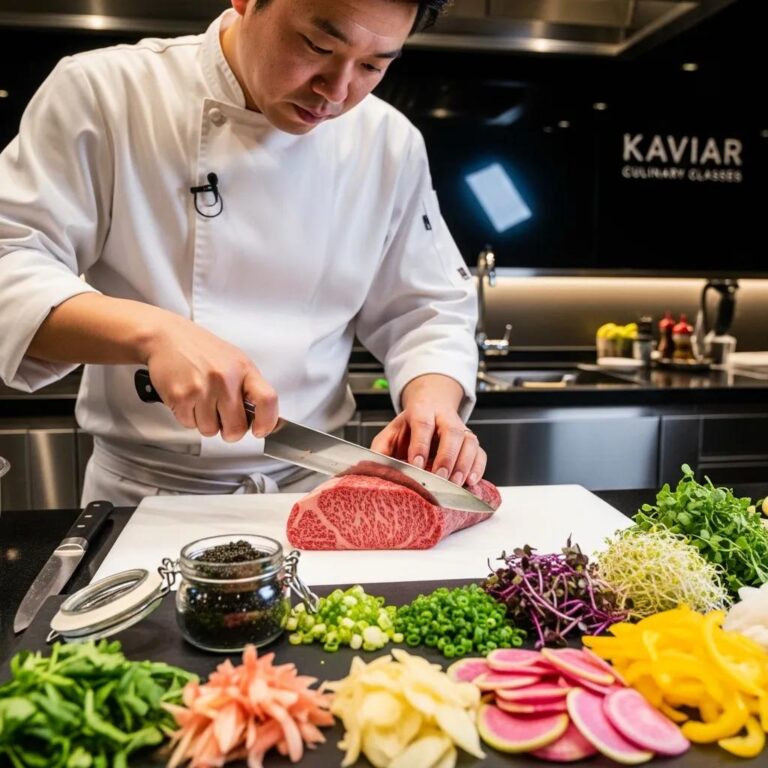
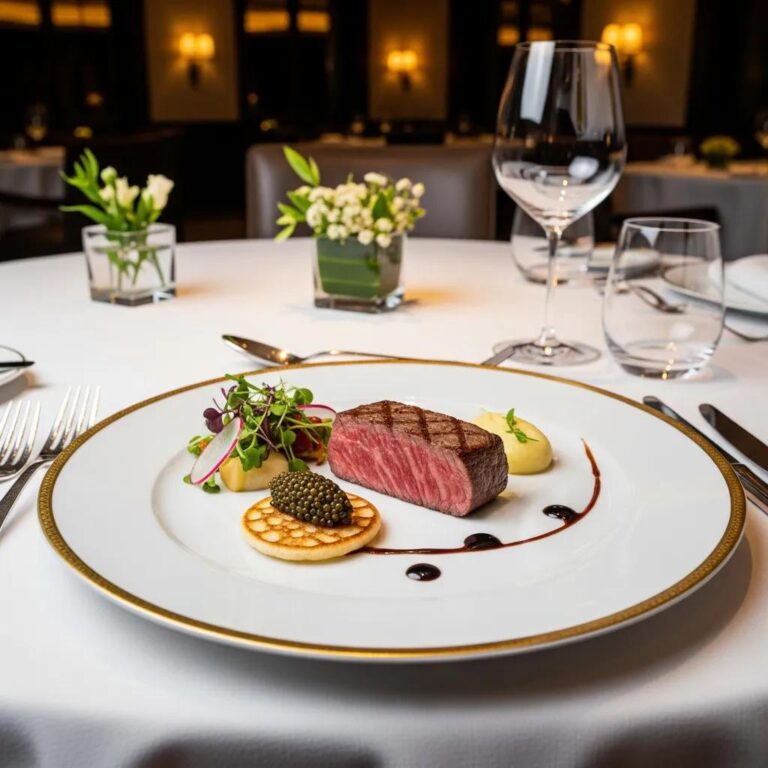
At Kaviar we pair luxury ingredients — Kaluga caviar, Miyazaki A5 Wagyu and Toro Tartare finished with 24k gold — to thoughtfully chosen Japanese whiskies. Below we map signature dishes to recommended whisky styles and tasting notes so you can understand the course logic and be inspired to reserve a guided pairing. For guests who want to try these matches in person, Kaviar’s menu and reservation options let you request sommelier-led whisky pairings during omakase or à la carte service. The table that follows links dishes to whisky suggestions and clear tasting rationale to simplify booking choices.
These curated pairings show how we use texture and umami to decide whether a whisky complements or contrasts — and how guests can request these pairings when booking for a guided tasting flow.
Which Whisky Best Complements A5 Wagyu and Toro?
With A5 Wagyu and toro there are two effective strategies: complement or cut. To complement, choose a rounded, fruit-forward single malt whose orchard and vanilla notes echo the meat’s richness and broaden savory depth. To cut, select a tangier blended expression or a whisky with subtle peat to lift and separate flavors and refresh the palate. At a luxury table the service style — timing sips between bites or pairing each course — determines whether complement or contrast best elevates the moment.
Next we consider caviar, which demands a more delicate approach.
How We Pair Caviar With Japanese Whisky at Kaviar
Caviar’s saline pop and fine texture benefit from whiskies that emphasize minerality, citrus brightness or light floral aromatics rather than heavy oak. A crisp blended whisky or a delicate single malt with citrus-laced esters will accent the brine and preserve mouthfeel. When serving Kaluga caviar our goal is to highlight the brine’s subtleties, so sommelier selections often favor shorter finishes and minimal oak influence.
With those signature matches in mind, let’s look at how whisky integrates into an omakase.
How Japanese Whisky Elevates the Omakase Experience in Pasadena

Introducing Japanese whisky into an omakase enriches pacing, contrast and storytelling by giving each course a beverage narrative. Whisky can open the sequence, act as a mid-course contrast or serve as a lingering companion for richer final bites. In every role the sommelier and chef sequence intensity so the diner’s palate stays engaged. For Pasadena guests seeking a local luxury tasting, curated whiskies provide both textural companionship to individual bites and an arc that enhances the chef’s intended progression. Below are the functional roles whisky typically plays during a structured omakase.
Whisky serves several practical roles during omakase:
- Pacing tool: moderates tempo between delicate and intense courses.
- Contrast agent: supplies acid, smoke or sweetness to reset the palate.
- Narrative element: ties course themes together through recurring aromatic cues.
These service roles inform the mechanics of course-by-course pairing selection.
What Role Does Whisky Play in Kaviar’s Omakase Journey?
At Kaviar we introduce whisky selectively — as a welcome sip to orient the palate, paired with signature courses, or reserved for later, richer bites — so each spirit supports the chef’s progression. Our sommelier and chef decide whether a whisky should highlight texture (for example, a single malt with toro) or contrast (a peated pour with seared items). This curatorial approach treats beverage service as a parallel tasting menu, where whisky cues enrich the omakase’s rhythm and reveal subtle shifts in seasoning, temperature and mouthfeel.
That sommelier-chef collaboration relies on clear selection criteria, outlined below.
How We Select Course-by-Course Whisky Pairings for Omakase
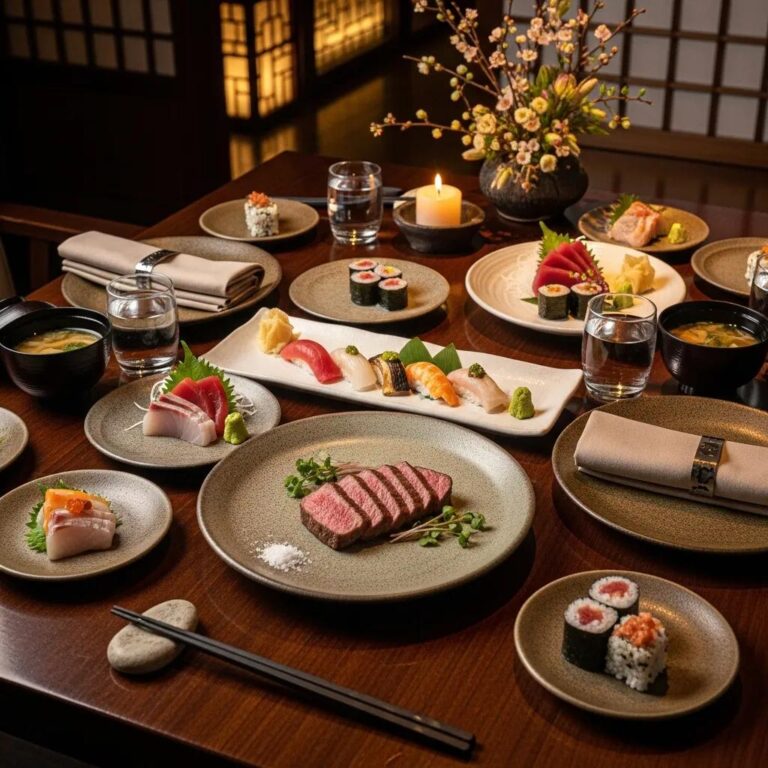
Pairing follows a simple checklist: assess seasonality, umami intensity, texture and the desired contrast. Start by identifying the dominant sensory trait — fat, salt, smoke or delicacy — then choose a whisky whose leading attribute complements or contrasts without overpowering. To avoid palate fatigue, alternate heavier and lighter expressions and limit long, tannic finishes before delicate courses. A sample five-course arc might begin with a light grain whisky for sashimi, move to a fruity single malt for toro, use a blended expression as a bridge for mixed nigiri, and close with a lightly smoked whisky for seared items.
Clear rules like these ensure a coherent omakase arc and set the table for specific tasting notes.
Pairing Flavors: Principles of Food and Drink Harmony
Certain ingredient combinations taste better together or in a particular sequence than when sampled in a different order. This review examines the role of sequencing and pairing in designing a meal and in matching food with drink. It evaluates three general pairing principles: similarity — pairing components that share flavor compounds; contrast — combining deliberately different elements; and synergy — combinations that produce new or harmonized flavor experiences. The authors conclude that psychological and cultural perspectives, alongside chemistry, provide useful guidance for effective flavor combinations.
Popular Japanese Whiskies — Tasting Notes for Sushi Lovers
Short, practical tasting notes make it easy to choose bottles that match sushi styles. The table below highlights benchmark Japanese expressions — focusing on Yamazaki, Hibiki and Nikka — with primary aromatics, mouthfeel and a one-line sushi match to help ordering at the counter or when booking a pairing dinner.
Use these snapshots to communicate pairing preferences quickly when ordering or requesting sommelier guidance.
How Yamazaki and Hibiki Pair With Sushi
Yamazaki typically shows ripe orchard fruit, soft spice and refined oak — a profile that enriches fatty or rich sushi without introducing harsh tannin. Hibiki’s blended harmony, with bright floral notes and balanced mid-palate sweetness, is exceptionally versatile across mixed nigiri and sashimi flights. Choose Yamazaki when you want to round heavier textures; choose Hibiki when you need a steady, balanced companion for varied courses.
Those choices lead into why Nikka is a strong option for heartier dishes.
Why Nikka Works Well With Premium Sushi
Nikka often delivers fuller malt character, generous body and light smoke in some expressions, making it a good match for intense, savory sushi that needs a sturdier partner. Robust Nikka bottles stand up to grilled or seared items and can echo oak-derived spice that complements soy-based seasonings. If you prefer a more assertive whisky presence alongside premium sushi, Nikka offers the structure and persistence to frame savory flavors without disappearing.
With tasting profiles covered, here’s how to reserve a luxury whisky-and-sushi experience at Kaviar.
How to Reserve a Luxury Japanese Whisky & Sushi Experience at Kaviar
Booking a whisky-paired sushi experience is straightforward. Kaviar accepts reservations by phone and through common booking platforms. To secure sommelier assistance or special bottles, tell us about whisky-pairing requests when you book. For larger parties or private events featuring A5 Wagyu or Kaluga caviar, early reservations and clear notes about pairing preferences let our sommelier and chef prepare an optimal tasting arc. Below are simple steps to reserve.
Follow these steps to reserve a whisky-and-sushi experience:
- Call to reserve: Give party size and date, and mention “whisky pairing” to request sommelier service. Use the restaurant phone for direct booking and special requests.
- Use reservation platforms: Book an omakase slot through popular services and include pairing preferences in the reservation notes.
- Request special bottles early: If you want a specific whisky or a sommelier-led pairing, indicate it at booking and allow time for procurement.
These steps help ensure we can prepare premium ingredients and the right bottles for your tasting.
Best Ways to Book Kaviar’s Whisky and Sushi Pairing
The most reliable route is a direct call with pairing notes, followed by confirming the reservation through your chosen platform. When you call, tell us if the focus is A5 Wagyu, a toro tasting, or caviar service so the sommelier can flag the reservation. If you book online, include pairing requests in the comments and ask for sommelier assistance. For rare bottles or larger groups, allow extra lead time and reconfirm a few days before service to ensure the best possible experience.
This practical guidance explains why Kaviar is an excellent choice for local luxury dining.
Why Choose Kaviar for Premium Japanese Dining in Pasadena?
Kaviar crafts a refined dining experience around thoughtful service and exceptional ingredients — Kaluga caviar, Miyazaki A5 Wagyu and Toro Tartare with 24k gold — which serve as ideal canvases for curated Japanese whisky pairings. Our tasting-focused approach pairs sommelier and chef expertise to sequence whisky so it either complements or contrasts each course, highlighting texture, umami and aromatic development. For diners in Pasadena seeking an elevated occasion, Kaviar makes it simple to request a whisky-led omakase or bespoke pairings that deliver a memorable tasting journey.
You’re now prepared to reserve a carefully paired whisky-and-sushi experience.
Frequently Asked Questions
What is the ideal temperature for serving Japanese whisky with sushi?
Serve Japanese whisky slightly chilled or at room temperature based on the expression. Cooler temperatures accentuate the refreshing qualities of light whiskies; room temperature opens the aromatics of richer, fruit-forward bottles. Consider the sushi’s temperature too — aligning temperatures can create a more harmonious tasting. Try both to see which suits a particular whisky and dish.
Can I use Japanese whisky in cocktails when enjoying sushi?
Yes. While many prefer Japanese whisky neat or on the rocks, light, refreshingly balanced cocktails can pair well with sushi if they preserve the spirit’s character. Cocktails featuring citrus or herbal notes work best, offering contrast without overwhelming umami. Choose recipes that respect the whisky’s nuance so both the drink and the food can shine.
How does the age of Japanese whisky affect its pairing with sushi?
Age influences body and oak character. Older whiskies often show deeper oak, richer texture and complex flavors — ideal for fatty, umami-rich items like toro or A5 Wagyu. Younger whiskies tend to be brighter and fruitier, better suited to delicate whitefish or sashimi. Consider age as one factor when deciding whether to complement or contrast a course.
Are there specific sushi types to avoid when pairing with whisky?
Strongly sauced or heavily spiced dishes can overpower subtle whiskies, and overly sweet or fried preparations may clash with many expressions. Focus on fresh, high-quality ingredients where the sushi’s natural flavors can interact cleanly with the spirit.
What role does the whisky’s finish play in sushi pairing?
The finish — the flavors that linger after a sip — is crucial. A clean, short finish refreshes the palate between bites and works well across a multi-course meal. A long, complex finish can enhance richer sushi by extending flavor development. Match finish length to course intensity to avoid palate fatigue.
How can I enhance my sushi and whisky pairing experience at home?
Start with quality sushi and a small selection of whiskies across different styles. Take notes, experiment with pairings and pay attention to texture, umami and intensity. Create a relaxed setting with soft lighting and good company — the ritual and conversation make discovery more enjoyable. Sharing samples with friends is a great way to compare impressions and refine preferences.
Conclusion
When matched thoughtfully, Japanese whisky and premium sushi elevate one another — clarifying aromas, balancing fat and amplifying umami. By applying the principles of umami synergy, fat balance and clean finishes, diners and curators can design pairings that enhance the meal from first sip to last bite. If you’re ready to explore these pairings in person, Kaviar’s curated omakase and sommelier-guided experiences showcase the best of both worlds. Reserve your table to begin a refined, whisky-and-sushi tasting journey.